
Sant Cugat
Sant Cugat
Contents
- Sant Cugat Monastery — the biggest Romanesque cloister in Catalonia
- Cal Gerrer — Marilyn Monroe in a medieval town
- Mercat Vell — the Old Market worth the trip alone
- The Old Town — architecture from six centuries, in one short walk
- Mercantic — vintage market, food trucks, and a lot of good browsing
- How to get to Sant Cugat from Barcelona
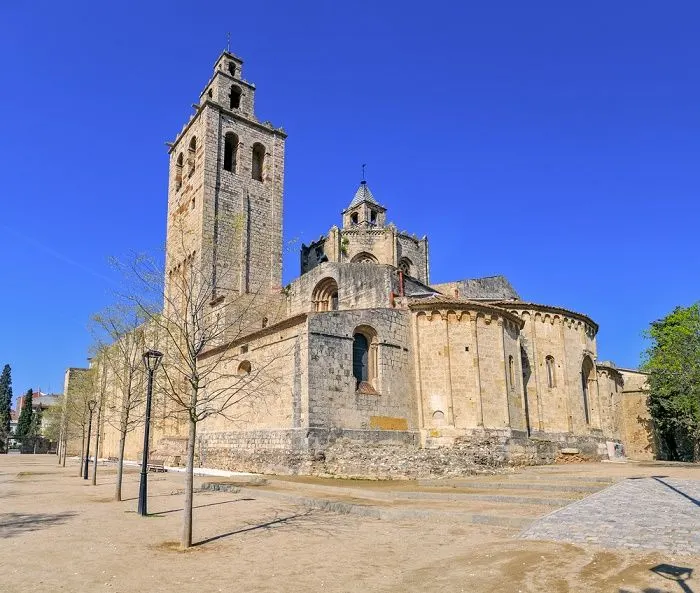
Sant Cugat del Vallès sits just 20 kilometres northwest of Barcelona, and most people drive past it on the motorway without a second thought. That's their loss. The town has a well-preserved medieval monastery, a gourmet market worth making the trip for on its own, one of the strangest museums you'll find anywhere in Catalonia, and a vintage market that locals treat as a weekend ritual. You can see the highlights comfortably in half a day — or stay longer if you find yourself lingering over lunch.
Sant Cugat Monastery — the biggest Romanesque cloister in Catalonia
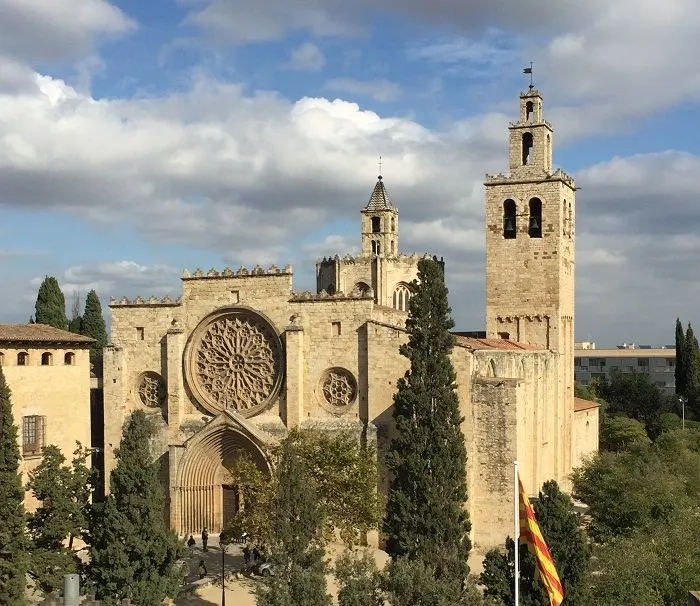
The Monastery of Sant Cugat is the town's anchor and its best reason to visit. Its origins go back to the 9th century, when a Benedictine community established itself here under the protection of the Frankish crown. By the 10th and 11th centuries, the monastery wielded real political and spiritual power across the region — this wasn't a quiet country retreat, it was a major institution.
The complex includes the church, a bell tower, the Abbot's Palace and the cloister. The cloister is the standout: built from 1190 and considered one of the largest Romanesque cloisters in Catalonia, it was the work of master sculptor Arnau Cadell, and his carved capitals are still intact. The detail is remarkable — look closely and you'll find faces, animals, and biblical scenes chiselled into the stone.
The same complex houses the City Museum of Sant Cugat (Museu de Sant Cugat), with displays on the town's history and the remains of the original settlement walls. The monastery was declared a Cultural Asset of National Interest in 1931. Check opening hours before you go — the monastery and museum have separate schedules, and hours change seasonally. The tourist office at the monastery entrance can help.
Cal Gerrer — Marilyn Monroe in a medieval town
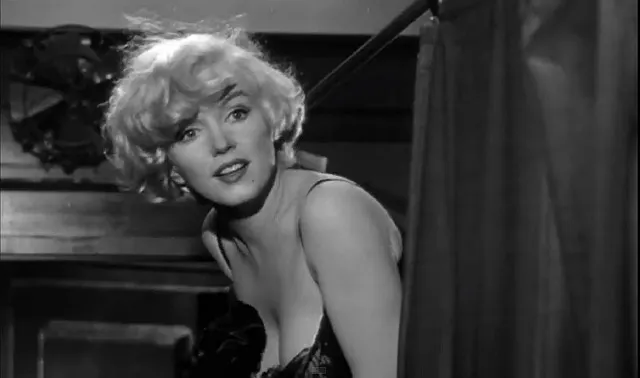
A two-minute walk from the monastery, Cal Gerrer is an old ceramic factory that has been converted into a museum dedicated entirely to Marilyn Monroe. It sounds unlikely. It is unlikely. But it works.
The collection is genuinely impressive — one of the largest private archives of Monroe memorabilia in Europe, covering her film career, personal life, and cultural legacy. Movie posters, personal effects, original photographs, press clippings, and a substantial library about the actress fill the space. There are also rotating exhibitions by local artists that document Sant Cugat's own past.
Note: Verify current opening hours directly with Cal Gerrer before visiting, as schedules vary by season.
Mercat Vell — the Old Market worth the trip alone
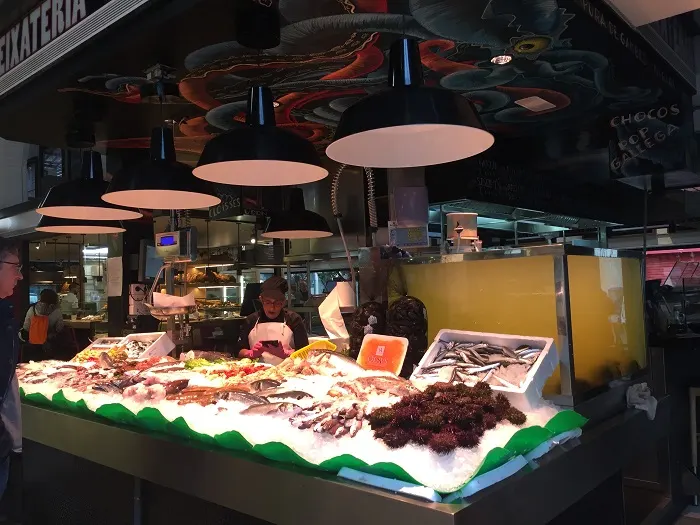
The Mercat Vell (Old Market) occupies a handsome Modernista building on Plaça de Sant Pere. It's been reimagined as a gourmet food market — not in the touristy, Instagram-bait sense, but in the way that actually serves the local community while keeping standards high.
Around a dozen stalls cover everything from fresh fruit and vegetables to artisan bread, locally cured meats, Japanese food, Argentine barbecue, Mexican street food, crêpes, and craft beer. The bread, in particular, is worth seeking out — several producers here have revived traditional slow-fermentation methods that disappeared from most of Barcelona's supermarkets years ago.
Saturday morning is the best time to visit, when the market is busiest and the produce selection is at its freshest. It's also when locals use it most, which tells you something. Check mercatvell.cat for current hours and stall listings.
The Old Town — architecture from six centuries, in one short walk
The streets around the monastery reward a slow wander. Sant Cugat's old town layers six centuries of architecture in a compact area — 16th-century stone houses sit next to Modernista villas built by Barcelona's bourgeoisie, who came here at the turn of the 20th century for the cleaner air and quieter pace.
Two things are worth finding specifically. The Modernista Cellar (Celler Modernista), designed by César Martinell in 1921, is a working cooperative building with the parabolic brick arches that define this architectural movement — Martinell was a direct student of Gaudí and it shows. On Carrer de Sant Medir, numbers 27 and 29 are a pair of Modernista townhouses designed by J. Batllevell in 1907, understated but well preserved.
None of this requires a map or a guide — just time and a willingness to look up.
Mercantic — vintage market, food trucks, and a lot of good browsing
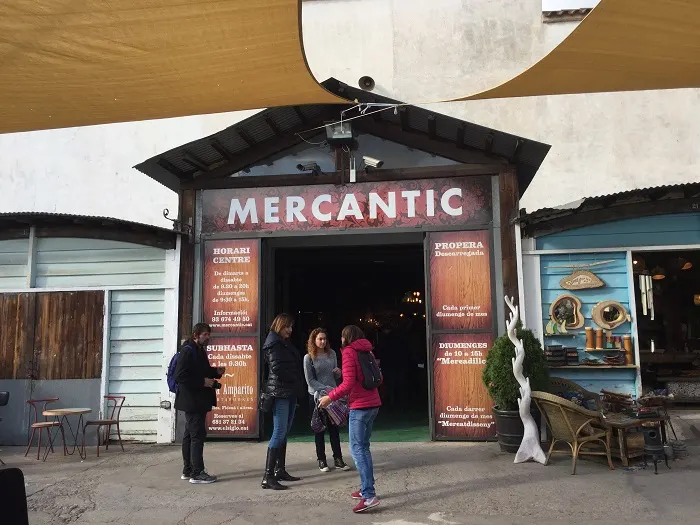
Mercantic is one of those places that's hard to explain until you've been. It started as an antiques and vintage market and has grown into something more layered: a weekend destination combining second-hand furniture, vinyl records, design objects, food trucks, a craft beer bar, live music, a small theatre, and culinary workshops — all on a single site that feels part flea market, part cultural centre.
It draws a creative, local crowd — less tourist-facing than Barcelona's own markets, which is part of its appeal. If you're the kind of person who can spend two hours in a record shop or negotiating the price of a mid-century lamp, this is your place. Mercantic is open on weekends — check their website for current hours and special market days before heading over.
How to get to Sant Cugat from Barcelona
Getting here is straightforward. Take the FGC railway from Plaça Catalunya station — lines S1, S2, or S5 all stop at Sant Cugat. The journey takes around 25–30 minutes and trains run frequently throughout the day. A standard T-Casual card covers the fare, so no special ticket is needed.
If you're driving, Sant Cugat is just off the B-30 motorway, with paid parking available in the town centre. But the train is easier — it drops you five minutes' walk from the monastery.
When to go: Saturday is the ideal day — both the Mercat Vell and Mercantic are busiest, and the old town has more life. Avoid August if you dislike crowds; Sant Cugat is popular with Barcelonans escaping the city heat.